
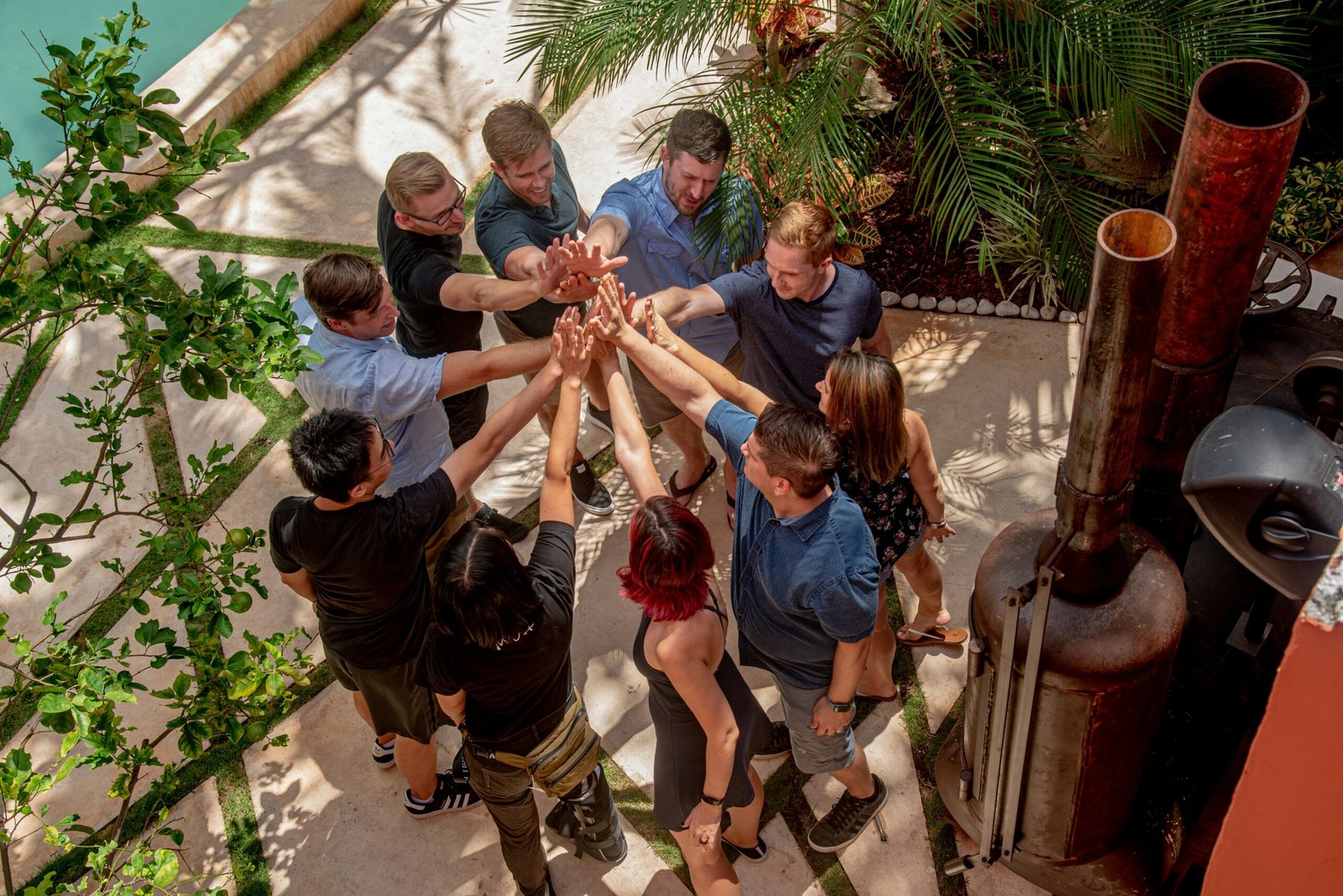
High-performing teams are the backbone of successful organisations. Whether you work in healthcare, construction, engineering or the corporate world, understanding how to build high-performing teams can transform productivity, communication and overall results. Recent research across industries shows that high performance is shaped by predictable patterns such as trust, communication, inclusive recruitment and shared awareness. This article brings together these insights and illustrates them with real examples to give leaders a practical roadmap for building stronger teams.
Encouraging Open Communication in High-Performing Teams
Open communication sits at the centre of high team performance. Friedman (2021) argues that high-performing teams ask more questions, share ideas more freely and create psychological safety that encourages honest conversation. This aligns with findings from healthcare, where strong communication significantly improves team outcomes.
Weller et al. (2024) highlight how hospitals that train staff to maintain team situation awareness create safer environments and reduce errors. In these settings, team members are encouraged to speak up, anticipate challenges and share concerns quickly. This type of communication culture directly contributes to better coordination and stronger performance.
Building Trust as a Foundation for Team Performance
Trust is essential for any team aiming to perform at a high level. Engebø et al. (2022) found that trust grows when teams have clear roles, consistent behaviour and transparent decision making. These qualities help teams stay aligned, especially in complex environments like construction and engineering where collaboration across disciplines is necessary.
On high-performance building projects, structured team meetings and open decision processes helped reduce misunderstandings and strengthened overall cohesion. When teams focus on solutions rather than blame, they develop resilience and maintain momentum even when difficulties arise.
Using Inclusive Recruitment to Strengthen Team Performance
The composition of a team plays a decisive role in how well it performs. Coleman, Dossett and Dimick (2021) stress that inclusive recruitment practices broaden the diversity of perspectives, improving problem-solving and innovation. Structured interviews, diverse hiring panels and values-driven selection processes help organisations build teams that are both skilled and balanced.
In healthcare, inclusive recruitment has been linked to improved patient outcomes and better collaboration. But the real benefit comes when diversity is combined with meaningful inclusion. It is not enough to hire people from varied backgrounds. Their insights must shape discussions and decisions.
Maintaining Shared Situational Awareness to Avoid Misalignment
Another hallmark of high-performing teams is shared situational awareness. This refers to maintaining a common understanding of goals, tasks and potential risks. Weller et al. (2024) show that teams with high situational awareness operate more efficiently because they anticipate one another’s needs.
In emergency departments, trauma teams hold short pre-briefs and debriefs to stay aligned. These quick check-ins allow everyone to understand what is expected and prepare for challenges. Even though these processes are simple, they have a significant impact on coordination, accuracy and performance.
Supporting Team Autonomy and Ownership
Autonomy is a powerful driver of performance. Research on engineering teams shows that when individuals have ownership of their work and freedom to choose how to achieve goals, motivation increases and results improve. Gupta and Agarwal (2024) emphasise that autonomy combined with clear direction leads to faster innovation and stronger accountability.
In fast-growth startups, engineering teams often work in small ownership groups responsible for entire features from idea to delivery. This structure encourages rapid learning, team cohesion and a strong sense of responsibility. It also prevents bottlenecks that occur when leaders micromanage.
Investing in Relationships to Build Stronger Teams
High-performing teams do more than coordinate tasks. They invest in human connection. Friedman (2021) notes that informal interactions such as coffee chats, check-ins and small celebrations help build familiarity and trust. These personal relationships make collaboration smoother and reduce conflict.
In multidisciplinary environments like architecture and construction, teams that encourage personal connection consistently report better creativity and fewer disputes. When people know and respect one another, they communicate more openly and work together more effectively.
What Leaders Can Learn About Building High-Performing Teams
The research makes one thing clear. High-performing teams share several characteristics. They communicate openly, build trust intentionally, recruit inclusively, stay aligned through shared awareness, embrace autonomy and foster personal connection. These practices reinforce one another and create the conditions for sustained team success.
Learning how to build high-performing teams is not about adopting a single strategy. It is about creating an environment where people feel safe, valued and empowered. Organisations that invest in these foundations consistently achieve stronger results and create workplaces where people are genuinely motivated to excel.